

Introduction:
Sustainability has evolved from a buzzword into a core requirement for modern industries. Among the many concepts driving this transformation, Recyclatanteil—the proportion of recycled material used in a product—has become a key indicator of environmental responsibility. From packaging and construction to automotive and consumer goods, companies are increasingly expected to disclose and improve their use of recycled content.
This article explores what recycled material content really means, why it matters, how it is measured, and how businesses and consumers alike can benefit from higher recycled material usage. By understanding the broader impact of this concept, we can better appreciate its role in building a circular and resource-efficient economy.
Understanding Recyclatanteil in Simple Terms
At its core, Recyclatanteil refers to the percentage of recycled material included in a product or material. Instead of relying solely on virgin raw resources, manufacturers integrate materials that have already been used, collected, processed, and reintroduced into production cycles.
For example:
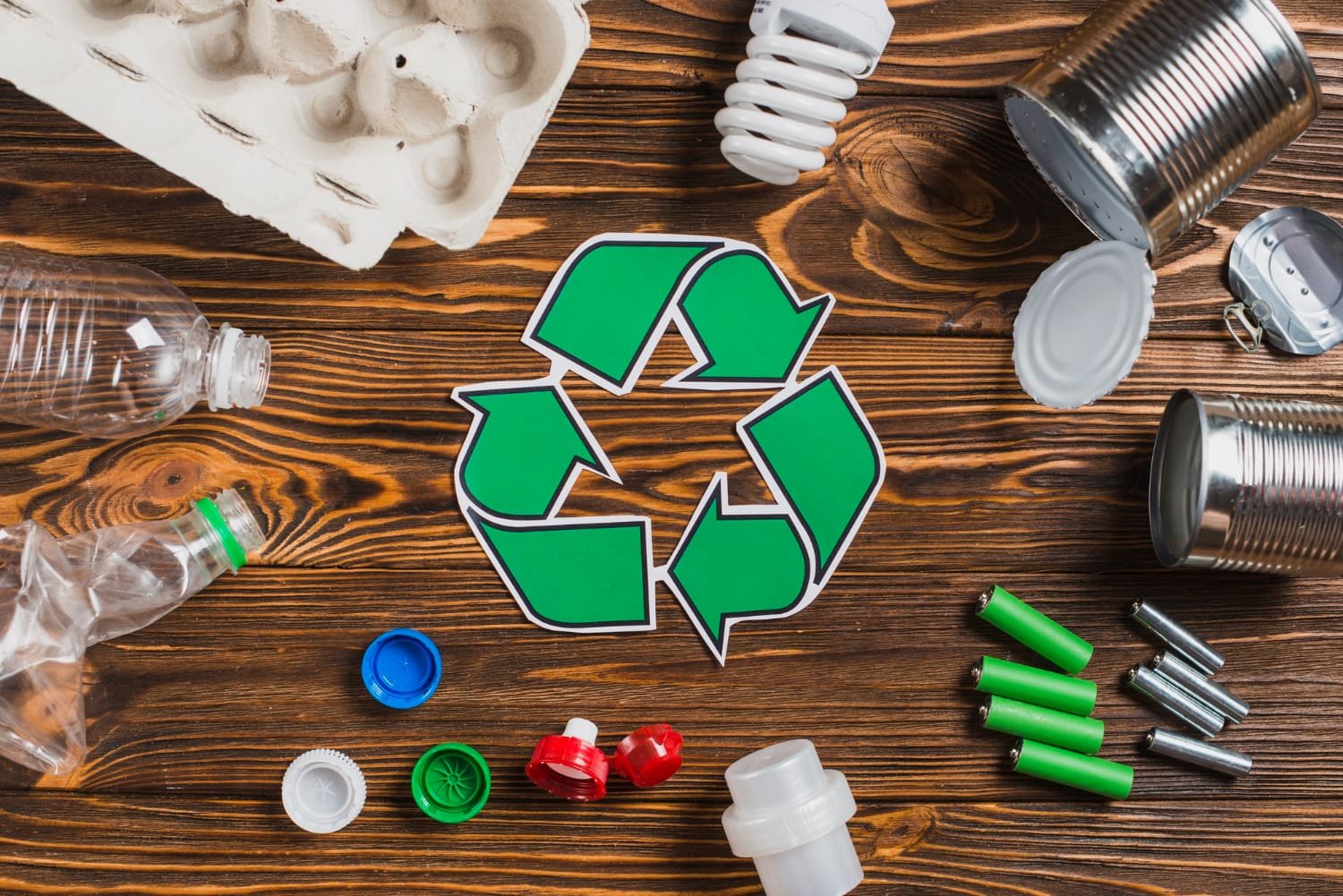
A plastic bottle made with 50% recycled plastic
Paper packaging that includes post-consumer recycled fibers
Construction materials containing reclaimed metals or aggregates
The higher the recycled content, the lower the dependence on newly extracted resources, which directly reduces environmental strain.
Why Recycled Content Matters More Than Ever
1. Environmental Protection
Using recycled materials reduces the need for raw material extraction. Mining, logging, and oil drilling are energy-intensive processes that significantly contribute to carbon emissions, habitat destruction, and pollution. Incorporating recycled inputs helps minimize these impacts.
2. Energy and Emission Reduction
Producing materials from recycled sources typically requires less energy compared to manufacturing from virgin resources. For instance, recycled aluminum uses up to 95% less energy than primary aluminum production, making recycled content a powerful tool in climate mitigation strategies.
3. Waste Reduction and Landfill Diversion
Products with a higher recycled share create demand for waste materials, encouraging better waste collection and recycling systems. This reduces landfill pressure and prevents valuable resources from being discarded.
The Role of Recyclatanteil in the Circular Economy
The circular economy aims to keep materials in use for as long as possible. Recycled material content is a practical and measurable way to support this model. Instead of the traditional “take–make–dispose” approach, recycled inputs enable continuous material loops.
By increasing recycled content:
Waste becomes a valuable resource
Products are designed with end-of-life recovery in mind
Material cycles are extended, reducing overall resource consumption
This shift is essential for long-term sustainability and economic resilience.
Industries Where Recycled Content Plays a Key Role
Packaging Industry
Packaging is one of the most visible sectors embracing recycled material usage. Many brands now highlight recycled content on labels to demonstrate environmental commitment. Plastic bottles, cardboard boxes, and flexible packaging increasingly include recycled components.
Construction and Infrastructure
Concrete, steel, insulation, and glass can all contain recycled inputs. Using reclaimed materials not only lowers emissions but also supports green building certifications and sustainable urban development.
Automotive and Transportation
Modern vehicles incorporate recycled plastics, metals, and textiles to reduce weight and environmental impact. This helps manufacturers meet regulatory standards while improving fuel efficiency.
Consumer Goods and Electronics
From clothing to home appliances, recycled materials are becoming mainstream. Recycled fibers in textiles and reclaimed plastics in electronics casings are now common across global brands.
Measuring and Verifying Recyclatanteil
Accurate measurement is critical to ensure transparency and credibility. Recycled content is typically calculated as a percentage by weight of the final product. This data may be verified through:
Material traceability systems
Supplier documentation
Third-party certifications
Lifecycle assessments (LCA)
Reliable verification helps prevent greenwashing and builds trust with regulators, partners, and consumers.
Regulatory and Market Drivers
Government Policies
Many countries and regions have introduced minimum recycled content requirements, especially for packaging and construction materials. These regulations are pushing manufacturers to rethink material sourcing and production processes.
Corporate Sustainability Goals
Businesses increasingly set internal targets for recycled material usage as part of ESG (Environmental, Social, and Governance) strategies. Higher recycled content contributes positively to sustainability reporting and brand reputation.
Consumer Demand
Today’s consumers are more informed and environmentally conscious. Products with transparent recycled content information often enjoy higher trust and preference, especially among younger demographics.
Challenges in Increasing Recycled Material Content
Despite its benefits, increasing recycled content is not without obstacles.
Quality and Consistency
Recycled materials may vary in quality depending on collection and processing methods. Maintaining consistent performance standards can be challenging, especially in technical applications.
Supply Chain Limitations
The availability of high-quality recycled materials depends on efficient waste collection and recycling infrastructure. In some regions, supply constraints limit scalability.
Cost Considerations
While recycled materials can reduce energy costs, processing and certification expenses may sometimes be higher than expected. However, these costs often decrease as recycling technologies mature.
Innovation and Technology Advancing Recycled Content
Technological advancements are addressing many of these challenges. Improved sorting systems, chemical recycling methods, and digital tracking tools are enhancing material quality and traceability.
Innovations include:
Advanced polymer recycling
AI-driven waste sorting
Closed-loop manufacturing systems
Digital product passports
These developments are making it easier for industries to increase recycled content without compromising quality or performance.
Benefits for Businesses Embracing Recyclatanteil
Companies that proactively increase recycled material usage gain several advantages:
Improved environmental performance
Compliance with current and future regulations
Stronger brand image and customer loyalty
Competitive differentiation in sustainability-focused markets
Long-term cost efficiency through resource optimization
Rather than being a limitation, recycled content can become a strategic asset.
How Consumers Can Support Higher Recycled Content
Consumers play a vital role in strengthening demand for recycled materials. Simple actions include:
Choosing products labeled with recycled material information
Supporting brands with transparent sustainability practices
Recycling products correctly to improve material recovery
Advocating for responsible packaging and production
When consumer demand aligns with sustainable production, systemic change becomes possible.
The Future Outlook of Recyclatanteil
Looking ahead, recycled material content will likely become a standard benchmark across industries. As regulations tighten and environmental awareness grows, companies that fail to adapt may struggle to remain competitive.
Future trends include:
Mandatory recycled content thresholds
Increased use of digital material tracking
Integration of recycled inputs in high-performance applications
Greater collaboration across supply chains
The transition toward sustainable materials is not a temporary trend—it is a fundamental shift in how products are designed, produced, and consumed.
Conclusion
Recyclatanteil represents far more than a technical metric. It reflects a broader commitment to sustainability, resource efficiency, and environmental responsibility. By increasing the use of recycled materials, industries can reduce emissions, conserve resources, and contribute to a circular economy that benefits both people and the planet.
As technology improves and awareness grows, recycled content will continue to shape the future of manufacturing and consumption. Embracing this shift today is not only an environmental necessity but also a smart strategic move for businesses and consumers alike.
